
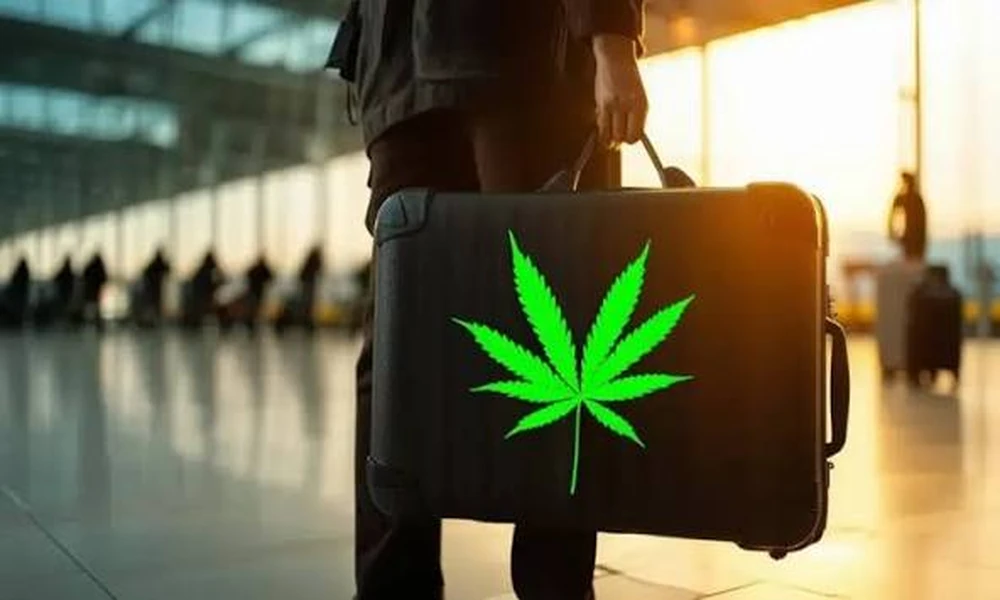
Where laws stay loose?
Legal thresholds for cannabis derived compounds differ widely across the country. A product allowed in one region can be restricted in two jurisdictions. Some places set no cap at all on this content. Others tie legality to a strict percentage. That percentage rules out most commercial products entirely.
Travellers researching Exhale Wellness cannabis dispensary options before a road trip often assume the law follows one national standard. That assumption falls apart once individual statutes are compared side by side. A handful of places have built reputations around looser thresholds. Shoppers and travellers sometimes plan routes partly around where these products are easiest to access.
Colorado, Oregon, and Michigan rank among places with long-established frameworks. They built regulatory systems years before many other regions addressed this category at all. That head start shows in how predictably their rules get enforced. Newer entrants to this space often look to these three as a reference point when drafting their own retail guidelines. Their approach also shapes how neighbouring lawmakers structure similar bills.
Why do rules diverge?
Each jurisdiction builds its own botanical policy on top of federal guidelines. That patchwork approach explains why bordering areas can land on opposite ends of the spectrum.
Locations with agricultural roots in cannabis farming, such as Kentucky and Colorado, tend to favour frameworks that support continued production. That often translates into lower retail thresholds as well. Places without that agricultural history sometimes default to stricter caps. Lawmakers there had less existing infrastructure to build policy around. Legislative sessions in several regions revisit these thresholds yearly. A framework considered permissive today can tighten within a single budget cycle.
8 places to know
- Colorado allows a wide range of cannabis based products through licensed retail channels.
- Oregon permits similar sales with fewer restrictions than most neighbouring regions.
- Michigan maintains a long-standing retail framework covering both botanical categories.
- Missouri has expanded access following recent shifts in regional policy.
- Minnesota allows beverages and edibles through a dedicated regulatory track.
- Kentucky supports cultivation and retail sale under one of the more permissive frameworks nationwide.
- Tennessee permits sales with fewer restrictions than several bordering regions.
- Texas allows retail sales, though enforcement discussions continue to shape the framework.
Crossing state borders
Crossing from one region into another mid-trip changes what’s legal to carry. That holds regardless of where a product was purchased originally.
Keeping original packaging with visible lab results gives clarity if a product gets questioned during a stop. Checking the current law before departure beats relying on a region’s reputation from a previous trip. These frameworks get revised at the legislative level more often than most travellers expect. A route planned around several of these locations still benefits from confirming local rules city by city. Some municipalities apply restrictions more tightly than what the surrounding law allows.
Border towns along interstate corridors sometimes enforce local ordinances that go beyond what the wider jurisdiction permits. That detail is worth checking before packing anything for a multi-region drive. A short stop to verify local rules rarely adds much time to an overall route.
