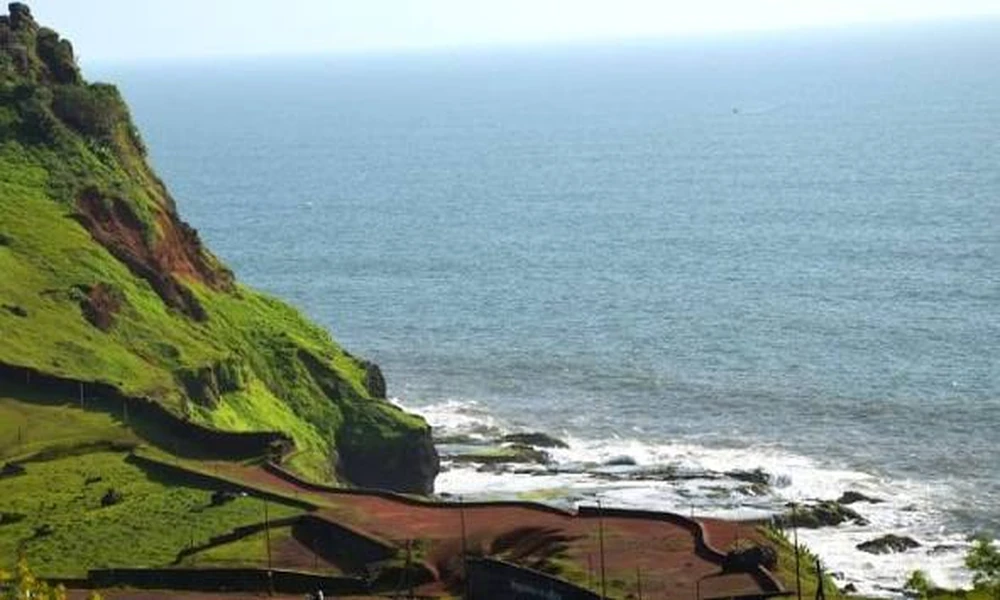
Ratnagiri is a town situated on the Konkan coastline in Maharashtra. Its name is linked with Alphonso mangoes. That’s how I had heard of it before visiting. After five days driving along its coastline, I found so many interesting things. I discovered fishing communities, beautiful beaches along the foothills, and a palace with a tragic royal story behind it. Mornings there are peaceful, while evenings are quite slow. This blog highlights the villages I visited, food I sampled, and quiet beaches I stumbled upon.
Why Ratnagiri suits a slow coastal trip
Ratnagiri district is on the Arabian Sea coast and is surrounded by the Sahyadri mountains. A network of small roads connects village settlements, old temples, and empty beaches. There are not many hotel complexes and almost no tourists here. I chose it because I needed a place that felt relaxed and effortless. It has given me everything I needed starting from the very first day of my visit.
Reaching Ratnagiri rested and ready
Ratnagiri has a railway station on the Konkan line, and many travellers arrive by train. I flew to Mumbai and drove south through the ghats. A long coastal drive feels better when travellers start fresh. Before booking, I explored and reserved business class flight tickets to Mumbai to experience the comfort and services available on longer journeys. These fares included spacious seating, priority services and a smoother airport experience, making my journey more relaxing before a road trip. I arrived rested, and the first day felt easy.
Thibaw Palace in Ratnagiri town
This red brick palace is situated in the centre of Ratnagiri town. The British sent King Thibaw, the last monarch of Burma, into exile in Ratnagiri in 1885. He continued staying in this palace until 1916. The palace now houses a small museum. I took a stroll around the palace and walked through its long corridors.
Ratnadurg Fort above the Ratnagiri harbour
Ratnadurg Fort is on a cliff above Ratnagiri harbour. Locals call this fort Bhagwati Fort, named after a temple inside. I climbed onto the fort’s ramparts in the late afternoon when the winds were strong. I also saw fishing boats floating in the harbour as the water turned silver.
Ratnagiri’s Bhatye Beach and its dark sand
Bhatye Beach is positioned several kilometres south of the harbour. The sand there is darker than I expected and thin. The beach is near the town and did not feel overcrowded. I strolled along the beach at sunset, while children played cricket near the sea and a vendor sold fried peanuts. The sea was calm, and its sound was even.
The Aare-Ware coastal road near Ratnagiri
Aare and Ware are two close beaches, connected by a meandering road above the sea. This route is one of the region’s most enjoyable trips. I stopped at three observation points on my way. With each stop, I was the only tourist enjoying the view. The wind blew through the cypress trees, and the water’s colours changed with the clouds.
Guhagar, a Ratnagiri village I would return to
Guhagar is a small coastal village, located north of Ratnagiri and famous for its pristine beach. Coconut trees line its shore, and houses are behind stone walls. I stayed two nights in a family homestay. Mornings began with waves and temple bells. I walked the sand each evening and felt relaxed.
Ratnagiri’s Velneshwar and its quiet temple
Velneshwar is a village in the Guhagar area, known for an old Shiva temple near the sea. Pilgrims visit year-round, but the place stays calm on ordinary days. I walked through the stone courtyard. Palm trees swayed beyond the walls. A priest gave me a small piece of sweet prasad and a welcoming smile.
Konkan vegetarian food around Ratnagiri
Konkan kitchens lean on rice, coconut and kokum. Meals are light, warm and slightly tangy. At my homestay, I ate ukdiche modak, a steamed rice dumpling filled with coconut and jaggery. Solkadhi, a pink drink made from kokum and coconut milk, came with every lunch. Breakfast was hot poha or soft amboli. Everything was vegetarian and freshly made.
Ratnagiri’s mango orchards and the farmers behind them
Ratnagiri is the home of the famous Alphonso mango. I travelled in the off-season, so the trees were green but empty. A farmer still walked me through his orchard. He explained how each tree needs years of care before it bears fruit. He spoke about his trees like family. I left with a deeper respect for every mango I had eaten.
Final thoughts
I visited Ratnagiri for mangoes but came back with a different set of memories. A calm palace, windy fort, black sand, and a village that lives at its own pace: all of these attractions left their mark on me. It is rare to enjoy such tranquillity while travelling these days.